
— Buying guide · 5 min read
Why Japan's Second-Hand Luxury Market Feels So Trustworthy
Buyers do not trust Japan's resale market by accident. The confidence comes from a mix of regulation, competition, reuse culture and seller habits that make condition easier to judge.
Trust is built into the business model
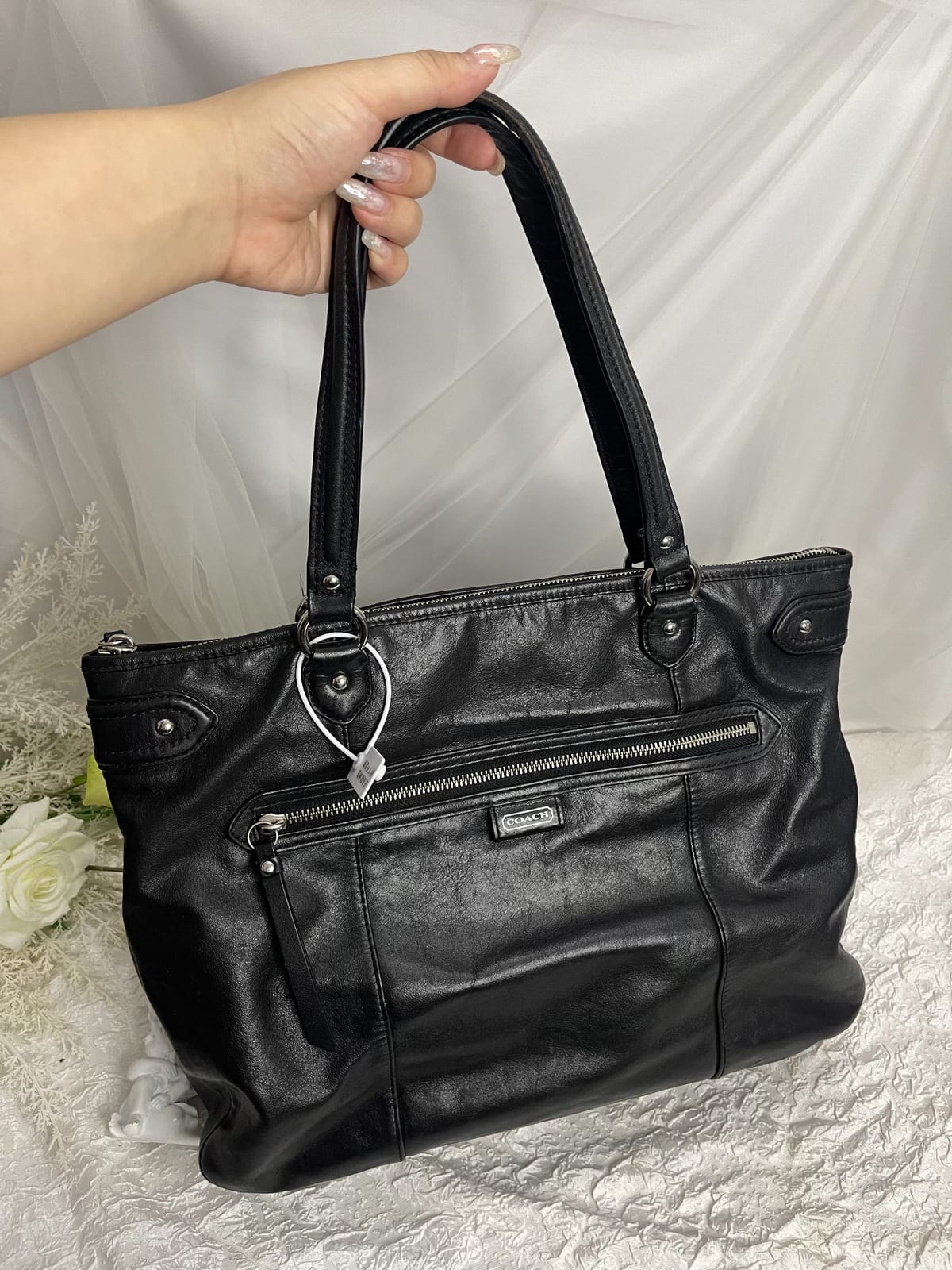
Buyers do not return to Japan's resale market just because of price. They return because many shops understand that repeat business depends on condition grading, detailed photography and a willingness to reject or downgrade problem stock.
That trust culture matters more than marketing language. A resale market feels safer when the seller expects scrutiny and the buyer expects specificity.
The licensing piece matters
Japan's Secondhand Goods Business Act requires second-hand dealers to operate inside a legal framework designed to deter stolen goods and improve traceability. That does not eliminate all risk, but it does create more formal expectations around who can trade and how.
For shoppers, the useful takeaway is simple: the market is not built only on vibes or platform reputation. There is an actual regulatory structure underneath it.
Reuse is mainstream, not fringe
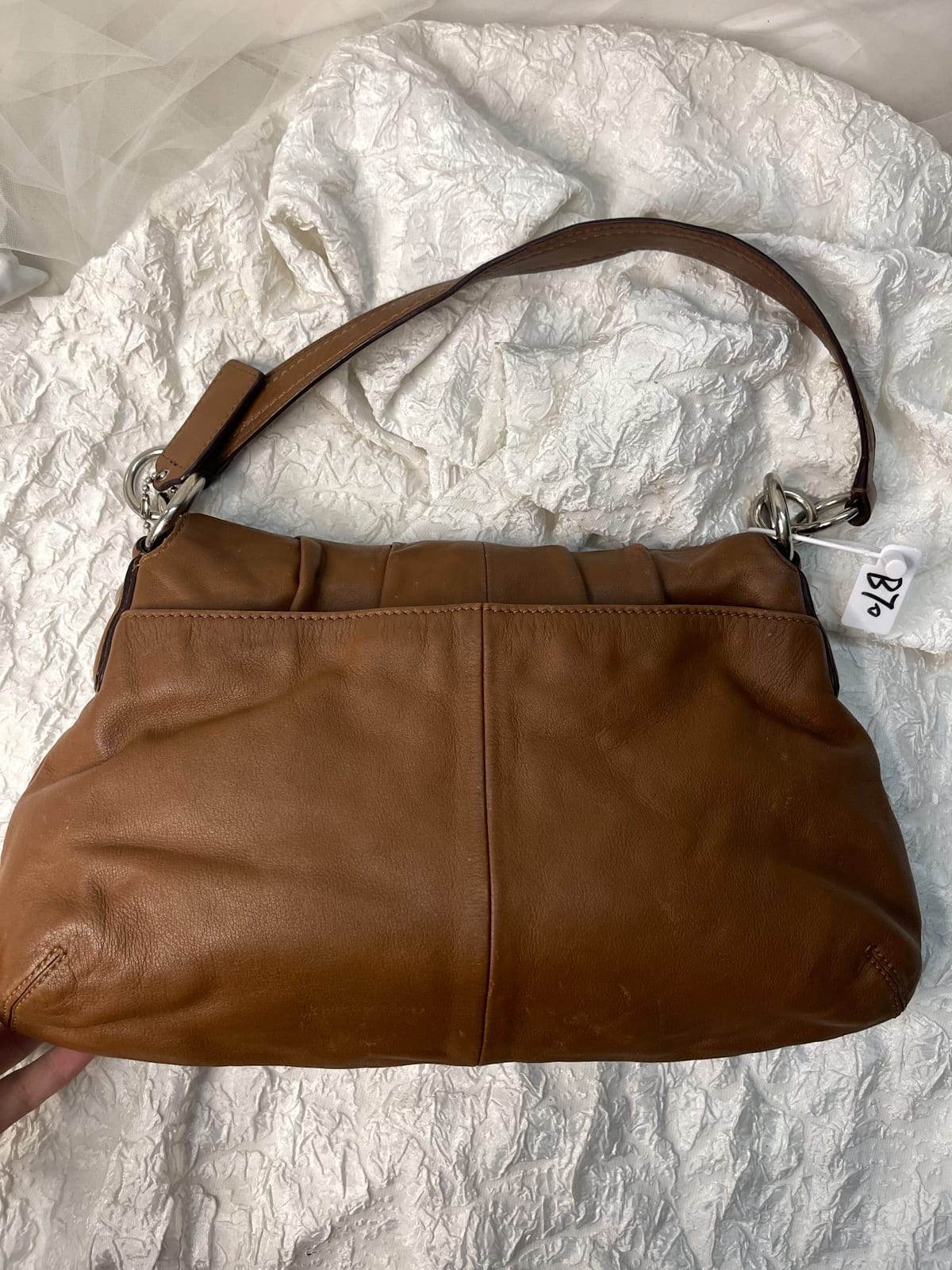
Japan's Ministry of the Environment actively promotes reuse, and official reuse-market materials describe second-hand shopping as a normal consumer behavior rather than an embarrassing fallback. That helps explain why supply is broad and why resale shops exist across many city sizes, not just inside fashion districts.
When resale is culturally ordinary, better goods circulate through it. People sell, trade and upgrade more readily instead of hiding the whole process.
Trust still needs buyer discipline
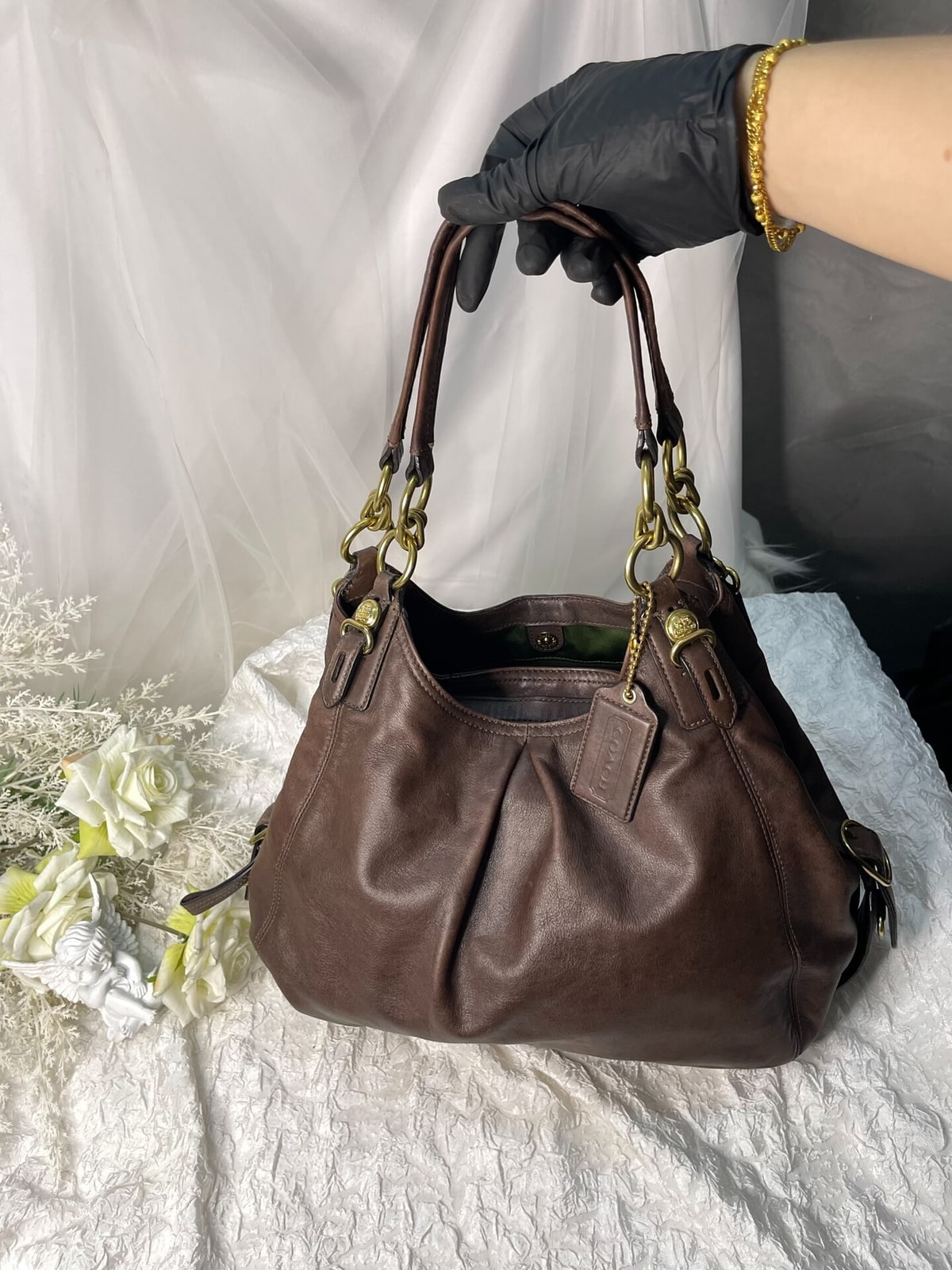
Trustworthy does not mean effortless. Buyers should still check corners, straps, odor notes, glazing, interior wear and whether the listed condition matches the photos.
The advantage of Japan is not that you can stop thinking. It is that the market more often gives you enough information to think well.
Quick answers
Are second-hand luxury bags in Japan automatically authentic?
No. No market removes the need for inspection. The better claim is that Japan has stronger resale norms and a clearer legal framework than many buyers expect, which can make due diligence easier.
Why do Japanese resale listings often feel more detailed?
Because the market is competitive and trust-sensitive. When many shops are selling similar bags, clear grading and accurate condition notes become part of how serious sellers differentiate themselves.