
— Trend guide · 6 min read
Why Japan Has So Many Second-Hand Luxury Bags
Japan's resale depth did not appear by accident. It comes from a period when luxury buying was unusually mainstream, then from decades of careful ownership, rotation and resale.
Why the supply became so deep
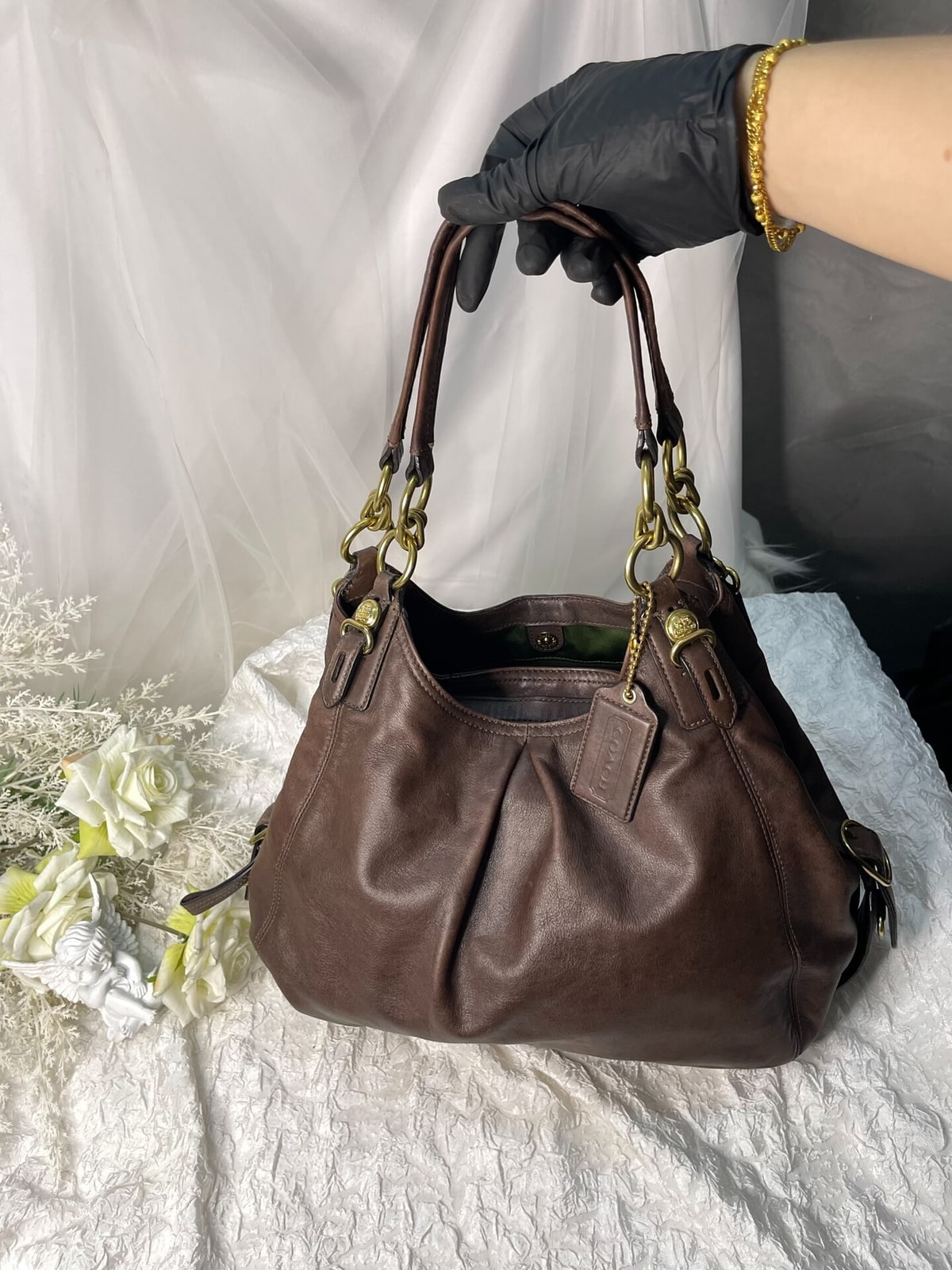
In the late 1980s and into the 1990s, Japan was one of the most important luxury consumer markets in the world. Imported bags were not a tiny niche purchase; they sat inside department-store culture and mainstream aspiration, which meant huge numbers of real bags entered ordinary wardrobes.
That matters now because resale inventory always starts with original ownership. When a market buys deeply for years, it later produces a deep secondary market, especially for brands like Louis Vuitton, Gucci and Coach that were bought widely across age groups.
The bubble-era myth and the more useful truth
The simple story is that Japan's bubble economy created a giant luxury closet and today's buyers are still shopping from it. That is directionally true, but the better explanation is broader: luxury demand stayed culturally important even after the asset bubble burst, so the supply pipeline kept moving rather than ending in 1991.
In other words, Japan is not interesting only because it was rich once. It is interesting because luxury ownership became normalized, then resale became normalized too.
Why so many bags stayed in circulation
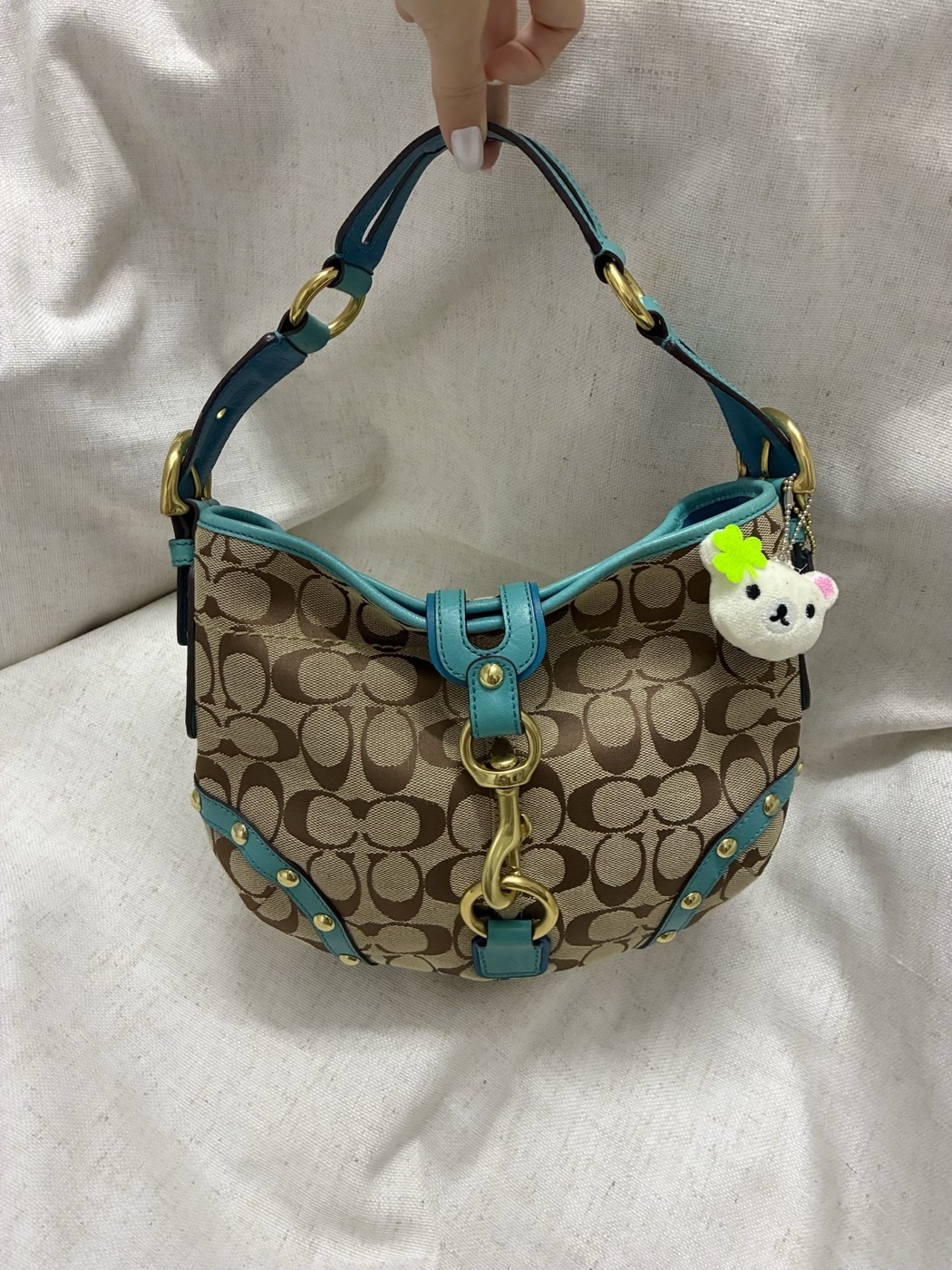
Good supply alone would not be enough if the bags were badly stored or poorly described. Japan's second-hand market benefits from a consumer culture that tends to care about condition, packaging and accurate presentation, so many pre-owned bags re-enter the market in a sellable state.
That does not mean every bag is mint, and buyers should still inspect photos carefully. It does mean the ratio of usable, well-documented stock is high enough to make browsing feel very different from thinner resale markets.
What buyers should take from this
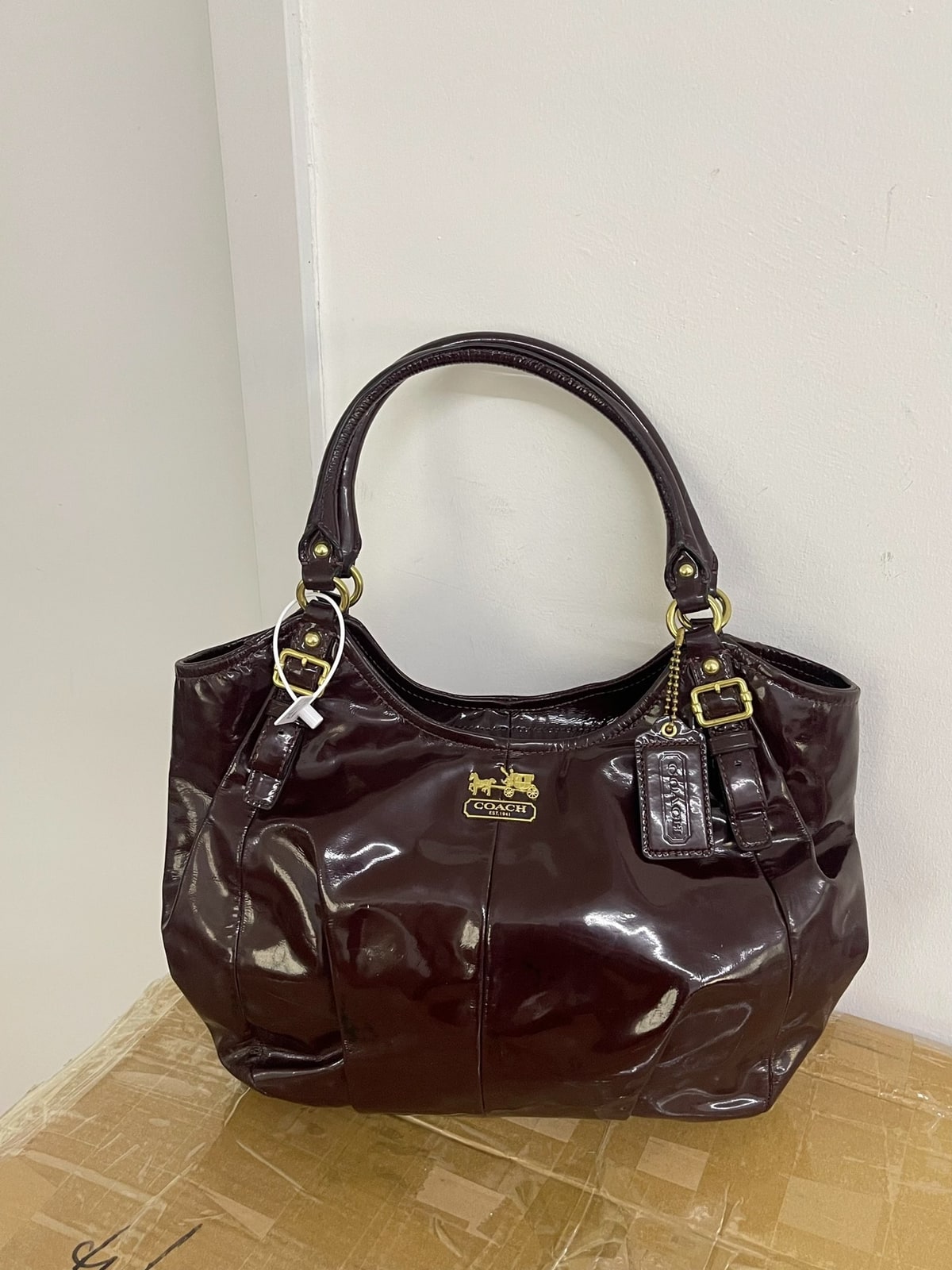
The practical lesson is not that every Japanese listing is automatically a bargain. It is that Japan offers density: more comparable bags, more condition grades and more chances to choose based on shape, wear and price instead of accepting the first decent listing you see.
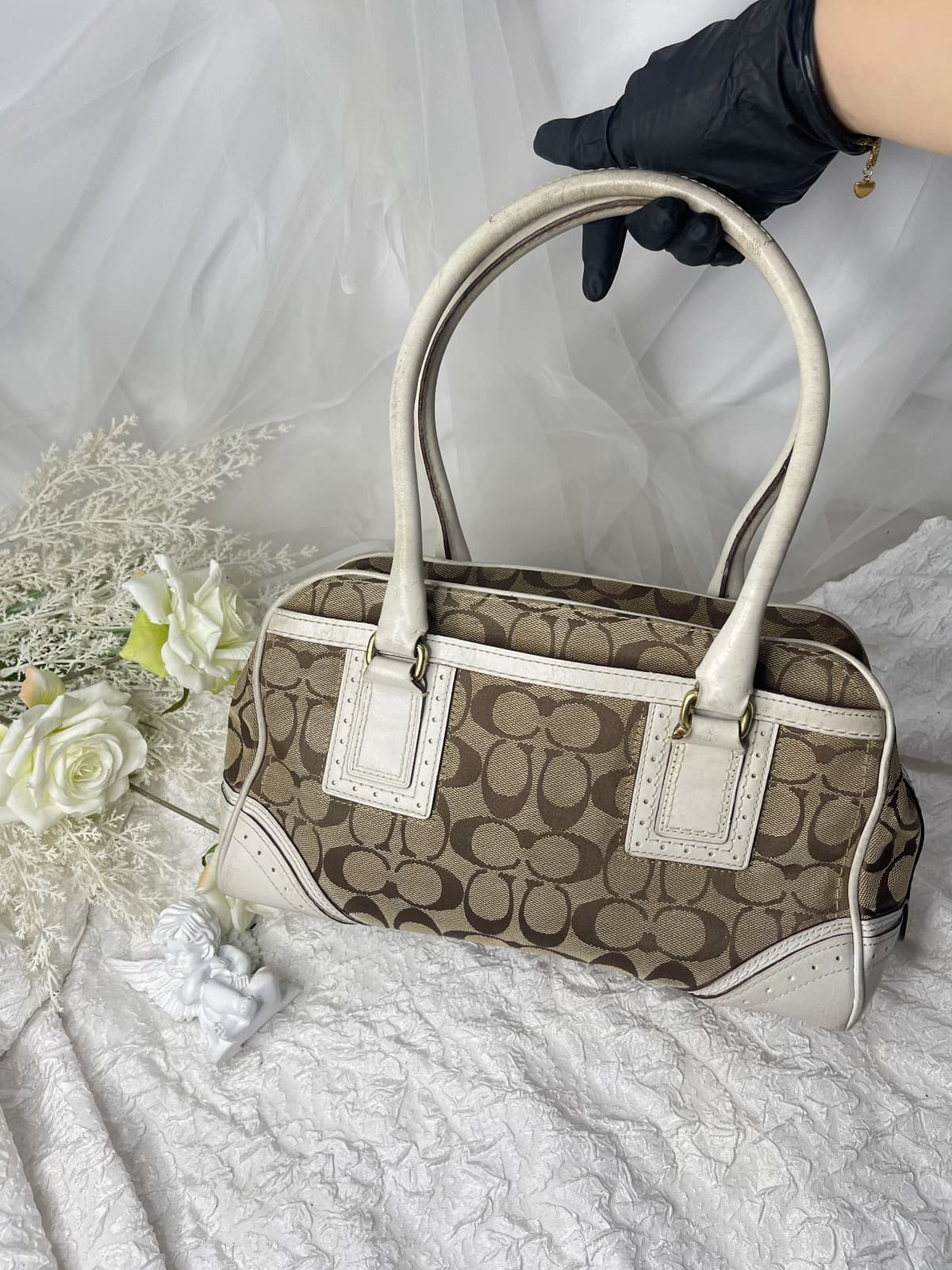
If you are sourcing vintage Coach or a first designer bag, that depth is often more valuable than chasing the single lowest price.
Quick answers
Was Japan really the biggest luxury market in the 1990s?
It was one of the biggest and most important luxury consumer markets, and for some brands Japan represented an unusually large share of global sales. For this article, that history matters more than a one-line superlative: a huge long-running buyer base created today's resale depth.
Did Japan's 1990s boom alone create today's resale market?
It started the story, but not the whole story. Continued luxury buying, strong department-store distribution and normalized resale all helped turn past demand into today's second-hand supply.